
1) “We’re just not math people.”
Translation: I hate math, and you probably should too. Genetically speaking, we’re just not good at numbers. Let’s just skim the lesson and get through it quickly so I can check this box. Then we can move on to a less stressful subject.
Like a string on an elephant’s foot holding a two-ton beast in a false sense of captivity, so is your child’s self-perceived ability at math (or whatever skill/task/subject) after hearing hopelessly discouraging statements like these.
Way to set the bar low! Some students will do just enough to get over that bar, while others won’t even attempt to crawl under it with this sad amount of expectation.
Your child is not your carbon copy and could surprise you with his/her interests and
abilities if given effective resources, encouragement, and positive reinforcement for effort made.
Left to decide for themself, your kid just might enjoy math, be very clever at it, or at least rise and thrive in the challenge of doing their best. Psst. Ask me how I know…
How My Kid Taught Me to Teach Him (podcast)
2) “Not today, let’s move on. You will learn about that later.”
This is often muttered by a hurried homeschool parent after a kid has asked questions or requested to dive further into a topic that extends past the day’s lesson plans on the subject.
But wait… Why stop for a made up goal post?
No time like the present! When the sparks of interest fly, grab the kindling and let those flames ignite!
If your kid is asking to learn more, be excited and go with it. This is the magic moment every homeschool parent hopes for… piqued curiosity. Don’t smother it with your planner! Pounce!
Follow those questions and curiosity till a fire is lit, or at least until the answers satisfy the child’s wonder and dissolve into the pleasant smoke of roasting food-for-thought.
Don’t douse their curiosity to wait until you can write it in your planner (blog post) with a pretty gel pen, or until your curriculum instructs you to cover the topic further. Your student likely won’t remember asking or care as much later. Whether you revisit the topic in two years or next week, delaying will certainly snuff out that flash of desire to learn more.

3) “You probably won’t be able to _________ because you are [a B student, a poor test taker, a slow learner, not an athlete, not academically inclined, a slow reader, insert other specific stifling stamp here].”
The amount of restrictive and stifling labels tossed around childhood these days is maddening. I cringe when parents brand their child in everyday conversations with friends, family, and even strangers. And it’s crushing to witness a parent verbally and publicly tattooing a label onto a kid’s forehead during first introductions.
In disregard of the lynch mob probably forming in the comments, I’ll just say it…
Be careful not to simplify your multidimensional amazing kid into a poster child for a single attribute or handicap they may only possess or display for a fleeting time.
Whether it be grade-mark pigeon-holes (blog post), athletic ability or inability, weird habits or interests, or acronyms of diagnosed disorders and learning difficulties… please don’t make any one thing your child’s most highlighted attribute, or worse, use it for your own distinguishing badge in a parent group.
Sadly, the label repeated most often becomes a neon disclaimer flashing before them in all that they do. It’s like handing out goggles for everyone to view your kid through a specific lens. Suddenly little Linda Lou is no longer a 4D sweet, smart, spunky, talkative, rock collecting, tap dancing, future cake baking, veterinarian with interesting anecdotes on sloths after reading 11 books on the subject. She’s been labeled, and mom is selling awareness T-shirts and pointing out all her daughters inhibitions, anxieties, and daily mishaps on social media.

Kids may fixate on what parents are pointing out incessantly. They may withdrawal from challenges from shame, feeling different, or fear of possible struggles, paralyzed by the label and letting it define them, making them one dimensional.
Remember, whatever your child’s biggest challenge is today, it likely won’t be the same tomorrow. Don’t define them by it, or your child may never see past the label. Let them grow uninhibited and dare to overcome it.
*Diagnostic labels are helpful in certain medical, educational, and social settings. But when possible, use these terms discreetly only when necessary. And let your kid live in 4D defining themself in extraordinary ways.
4) “We don’t have to [insert educational responsibility you keep avoiding] today. We homeschool, so we can make our own schedule and do what we want!”
There are a host of courses, subjects, skills, and social drills that are useless to some (or all) kids whether they are enrolled in school or happily homeschooled. Not every kid needs to learn Latin, calculus, engine repair, or how to sell the most cookie dough for the next fundraiser. We should be selective, but there are some basic things we should be getting done and then some!
At some point you must quit celebrating your newfound homeschool freedom and start making effective use of it.
When it comes to homeschooling,
the C’s are key:
Confidence is key.
Consistency is key.
Correction is key.
Coffee is key (-ish).
Curriculum is optional.
Psst… the lazy breaks and sporadic fun field trips are much more enjoyable when they are, in fact, sporadic.Consistency is for the learning part of homeschooling. Sticking to the plan and working hard on a path to educational goals in a meaningful measurable way is key.
Don not try ‘sticking it to the man’ by sticking to nothing. Use that homeschool spite to show all you can achieve with the freedom to do it.
Remember, you can combine subjects for a real-world type of learning. You can combine grade levels for subjects where siblings will benefit from multiple age discussion and interaction.
Learn together consistently and expect progress individually. Timely feedback and correction are important to homeschool progress as well, as are acknowledgment and respect of the effort each child makes expectedly and independently.
Instead of uselessly gloating “look what we no longer have to do!” Proudly and productively declare “look what all we can do!” (blog post) Don’t limit their options later in life by offering too many distracting options today.
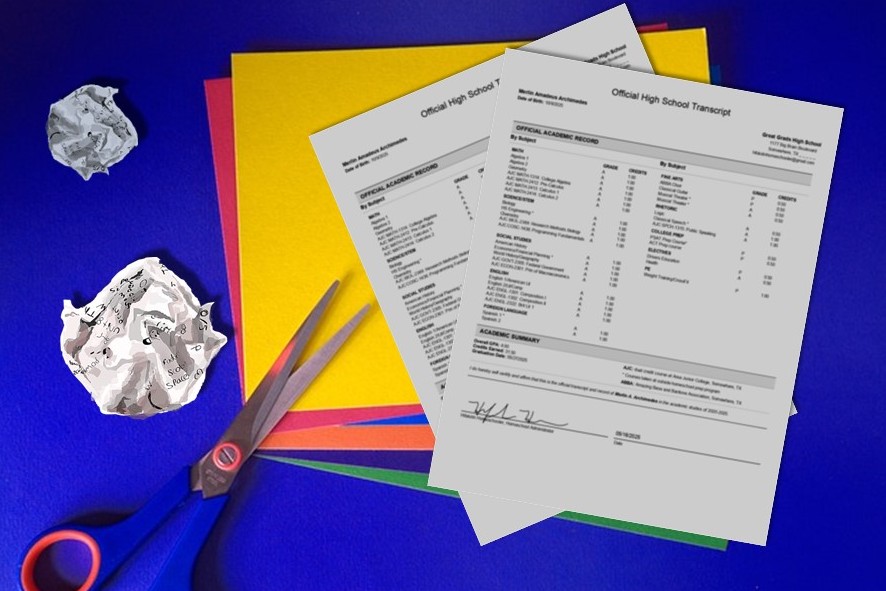
5) “There is no reason for you to go to college. It’s just an indoctrination camp these days.”
Perhaps at many universities and in certain areas of study this is true. But not all schools and degree plans are propaganda-filled money pits. Also, some career aspirations simply cannot be reached without a college degree, license, or a board exam.
Arguably, many professions have been hijacked by agencies forcing expensive questionable courses and credentials making them difficult to obtain. Still, there are hoops to jump through to gain access to careers in medicine, management, business, engineering, education, law, etc. Because of this, try keeping options for higher learning open.
Don’t let your political grievances shortchange your child’s aspirations and block their chance to be effective in the world.
However, we should not steer all our kids to college, swamping them with debt and indecision. Vocational school, internships with mentors, on-the-job-training, and entrepreneurship are also options for success in the real world.
This is especially true for kids who don’t know what they want to do yet or those not suited for classroom lecture-type learning. There are certainly many other ways to attack life after graduation.
Before You Speak:
Know What You Are Saying
Ultimately, remember to think before you speak. What are you really saying in your off-the-cuff remarks? Sometimes our impulsive, seemingly light and innocent comments are heavier and more barbed than we realize. And we end up saying a lot more to (and about) our child than we intended.
Homeschool parents, we must remember that we are the baseline curriculum in our children’s education.
Rise to the Responsibility (blog post)
No matter how little they seem to be listening to us some days, they are very aware of our attitudes and efforts. They are sensitive to how we view them and define them for others.
We know our kids best and are most invested in their growth, education, safety, and success. Because of our parental influence and power to foster or foil their confidence, the words we use matter.
We must be careful not to verbally knock their legs out from under them before they get on their feet and see what those legs (bodies, minds, and hearts) can really do.
At the finish line of homeschooling, I can attest, it’s quite humbling to see them run past your expectations and face challenges, learn, and accomplish more than you ever imagined they might.
And you’ll be glad you kept your mouth shut when you thought it was not possible.